 My Account

 Login


To get a bartending license, find out what your state (and sometimes your city or county) requires, then complete an approved alcohol server course and pass its exam. In some states, such as Washington and California, that step is a legal requirement. In others, it is a credential employers ask for. Either way, you can usually finish the coursework online in an afternoon.
There is no single national bartending license in the United States. The credential you need depends on where you work, and the name changes from place to place: server permit, seller/server certificate, RBS certification, MAST permit. This guide explains what each one means, how the process works, and how to make sure the course you take is accepted.
TL;DR
- There is no nationwide bartending license. Requirements are set by each state, and some are set locally, so start with your state’s alcohol authority.
- A license or permit generally reflects a government requirement. A private bartending certificate only shows you completed a training program.
- The usual path: confirm your state’s rule, pick an approved provider, finish the course, pass the exam, and keep your proof of completion or permit.
- Deadlines matter. Washington and California give new hires 60 days, and Indiana gives 120 days after hire for permit holders.
- Online training is accepted in many states, but only when the provider is approved by that state.
Table of Contents
- What a “bartending license” actually is
- Do you need one to bartend?
- How to get a bartending license, step by step
- How the process differs: four state examples
- Can you get a bartender certificate online?
- What the training covers and how long it lasts
- What does it cost?
- Get certified with ABC Server Training
- For employers: keeping your staff compliant
- Common mistakes to avoid
- FAQ
- Sources
What a “bartending license” actually is
People use “bartender license,” “bartending license” and “bartender certification” as if they were the same thing. They are not always interchangeable. A license or permit generally reflects a government alcohol-service requirement, while a private bartending certificate documents completion of a training program. Some jurisdictions use the word “certification” for credentials that the government requires or approves, so the label alone tells you little.
The practical rule: look at who issued the credential. A permit issued by a state liquor agency, or a certificate from a provider that the agency has approved, is the kind that counts for legal compliance. A general bartending school certificate may teach you drink-making skills and help your resume, but it may not satisfy a local requirement. The same source advises confirming with the state alcohol authority or local government whether a credential meets local rules.
It helps to separate three things:
| Credential | Who requires it | What it proves |
|---|---|---|
| State permit or license | The state (or locality) as a legal condition of serving | You met the government’s training and exam requirements |
| Alcohol server certificate | The state, or the employer, depending on location | You completed responsible service training from an approved provider |
| Bartending school certificate | Usually no one, but some employers like it | You completed a skills course such as mixology |
Many bartenders hold the second kind and a skills certificate together: one for compliance, one for craft.
Do you need one to bartend?
In many places, yes. A bartending license, permit or similar credential may be required in some locations, and where it is not mandated, getting certified is still common practice.
Texas is a good example of the second situation. The Texas Alcoholic Beverage Commission strongly recommends seller/server certification, and notes that many Texas retailers hire only certified staff because certification may protect employers from certain liabilities under the Alcoholic Beverage Code. If you want the job, you want the certificate.
So even if your state does not require a license by law, certification is often the thing that gets your application read. For servers and bartenders, it is also proof that you know how to check IDs and handle a guest who has had too much.
How to get a bartending license, step by step
The details differ by state, but the process follows the same pattern.
1. Find your state’s rule
Search for your state’s liquor or alcohol beverage control agency and look for its server training page. Check city and county rules too, because some places add their own. Note the three facts that decide everything else: whether training is mandatory, the deadline after hire, and the list of approved providers.
2. Check the minimum age
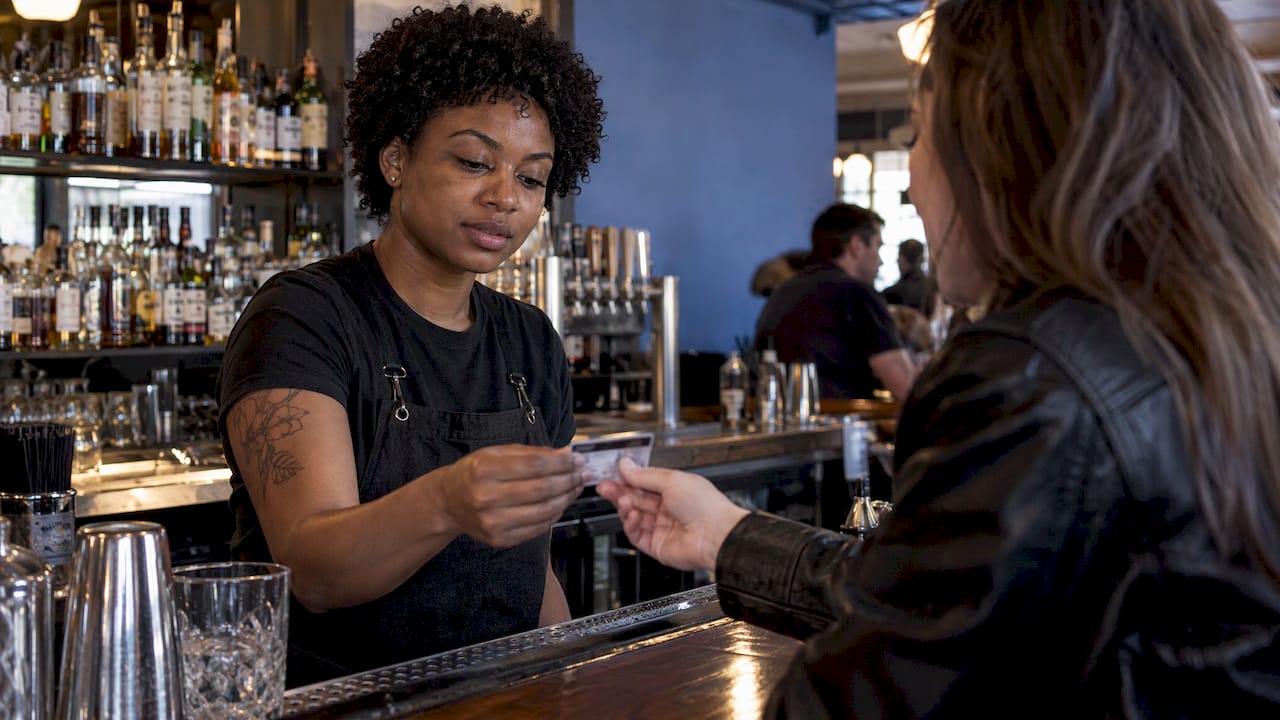
Age rules vary. In Washington, for example, the Liquor and Cannabis Board issues a Class 12 permit to people 21 or older and a Class 13 permit to people aged 18 to 20. Confirm the age rules where you plan to work.
3. Choose an approved course
This is the step where people lose money. Only take a course that your state recognizes. Washington MAST training is available online or in a classroom through private providers certified by the LCB. Texas training is offered by TABC-approved schools, and most offer online coursework. Indiana also permits third-party providers whose programs the Commission has approved, as the ATC explains.
4. Complete the training and pass the exam
You work through the lessons, then take a final exam. Online courses are self-paced, so you can stop and come back. In Washington, online students may pause and resume.
5. Get your permit or certificate on file
Some states issue the credential through the provider. In Washington, the provider mails the permit and reports course completion to the LCB within 30 days. In other states, you may need to register with a state portal, as the California example below shows. Keep a copy of your certificate for your employer.
How the process differs: four state examples
The same keyword leads to very different answers depending on the state. These four show the range.
Washington: a mandatory permit
Washington requires a Mandatory Alcohol Server Training permit for people who serve, mix, sell or supervise alcohol service for on-premises consumption, according to the Liquor and Cannabis Board. Servers, bartenders and managers at on-premises licensed establishments need the permit within 60 days of initial hire, and there is no temporary permit. If you work in Washington, our Washington MAST training online covers the course.
California: portal, training and state exam
California on-premises alcohol servers and managers must register in the RBS Portal, complete training from an authorized RBS Training Provider, and pass the ABC Alcohol Server Certification Exam. Certification must be completed within 60 days of the first employment date, according to California ABC. The lesson here: finishing a course is one step, while the government registration and the state exam are separate required steps. Our guides to California alcohol server certification requirements and California Responsible Beverage Service training walk through it, and the new bartender law explains why employers now care.
Texas: widely expected, quickly done
Texas seller/server certification is offered through TABC-approved schools, and TABC says it can be completed in about two hours. Read our overview of state requirements to serve alcohol in Texas, or see what TABC seller/server certification is. When you are ready, take the Texas server training course.
Indiana: an employee permit plus training
Indiana works differently again. People holding an Employee Permit to dispense alcoholic beverages must complete certified server training no later than 120 days after hire, according to the Indiana Alcohol & Tobacco Commission. The permit and the training are two separate pieces.
If your state is not listed here, the same logic applies: find the agency, find the deadline, find the approved providers. Our state pages, such as North Carolina and South Dakota, follow each state’s own rules.
Can you get a bartender certificate online?
Yes, in many states. Online delivery is the normal route for alcohol server training because you can complete it from a phone, tablet or computer, at your own pace. Washington and Indiana both describe online options on their official pages, and Texas says most approved schools offer online coursework.
The key is approval, not format. Before you pay, run this short check:
- Open your state agency’s list of approved or certified providers.
- Confirm the course provider and the specific state course appear on it.
- Check whether you also need to register with a state portal or apply for a permit.
- Ask your employer whether they require a particular credential.
That last point matters because credentials are not always interchangeable. A course built for one state does not carry over to another, so choose the one for the state where you will pour drinks.
What the training covers and how long it lasts
Alcohol server courses are about responsible service, not recipes. Texas seller/server training covers the laws and rules of responsible alcohol sales and service, plus intervention techniques to prevent sales to minors and intoxicated customers.
Washington sets the bar in detail: MAST courses must be at least three hours and cover 12 core topics, including liquor laws, ID-checking exercises, intervention skills and refusing sales when necessary.
Validity and renewal
Validity differs by state. A Washington MAST permit is valid for five years and expires on the first day of the month after the month you took the test, according to the LCB. The permit is not renewable, so you take a new course, and the LCB advises doing it 45 days before expiration. Put the expiration in your calendar the day you pass.
What does it cost?
Costs vary because providers set their own prices. In Washington, the LCB does not regulate what MAST providers charge, and the same is true of private courses in general. Some states also run free options. Indiana offers free online certified server training through its ATC process.
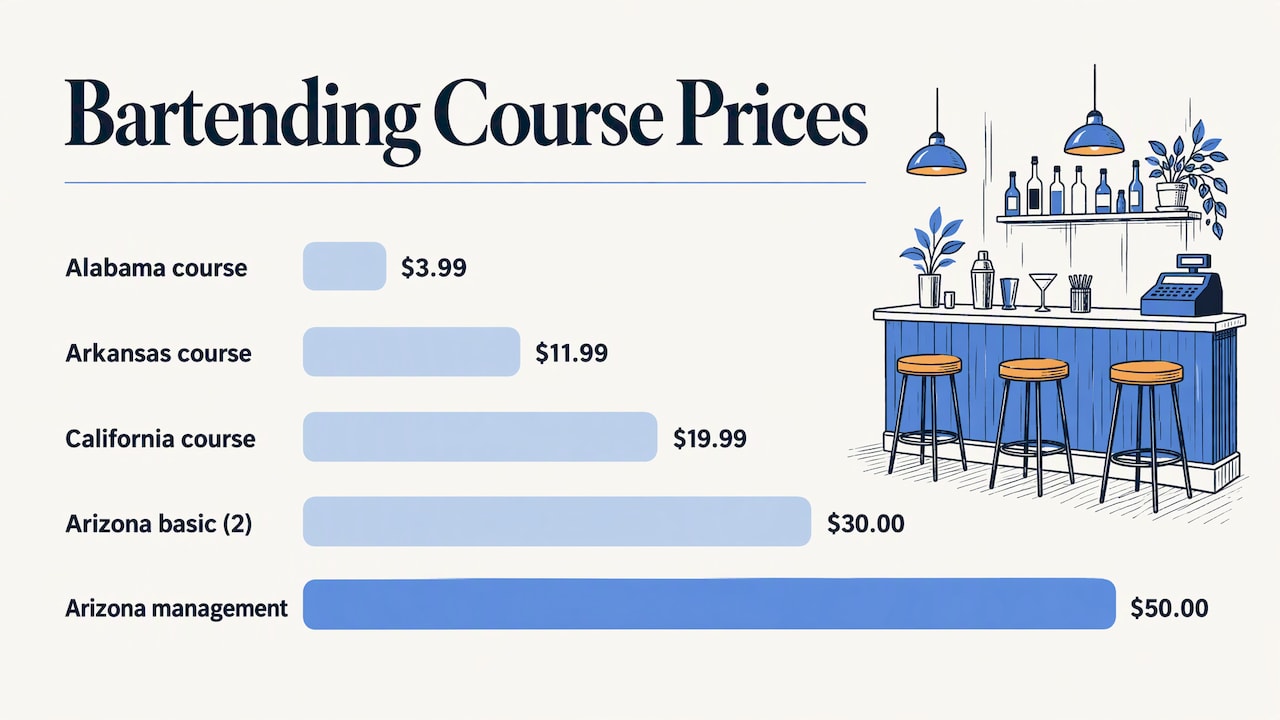
Our own state-specific alcohol server training starts from $9.99. Here are the prices currently published on our shop:
| Course | Price |
|---|---|
| Alabama Server Training Course | $3.99 |
| Arkansas Server Training Course | $11.99 |
| California Alcohol Beverage Control, Responsible Beverage Server Training Course | $19.99 |
| Arizona Liquor Training, Basic On Sale | $30.00 |
| Arizona Liquor Training, Basic Off Sale | $30.00 |
| Arizona Liquor Training, Management On & Off Sale | $50.00 |
The price of the course is only part of the cost. Count your time, any state permit or exam fee, and the cost of redoing a course if you picked the wrong one.
Our perspective
We have trained more than 100,000 learners, and the same pattern shows up again and again: people do not struggle with the material, they struggle with figuring out which credential their state wants. That is why we build our courses around the state rule first and the lessons second.
Our view is that a server certificate is the most valuable first credential a new bartender can earn. It is designed to meet the regulatory requirements that servers, bartenders and restaurant owners face, and it is the document managers ask to see. Skills like flair and cocktail recipes come with shifts behind the bar. Responsible service training is what lets you start those shifts.
We also believe the format should fit working people. Our courses are self-paced and work on any device, so a server between shifts can finish on a phone. For owners, group options make it easier to keep a whole team compliant and to reduce liability.
the author
Get certified with ABC Server Training
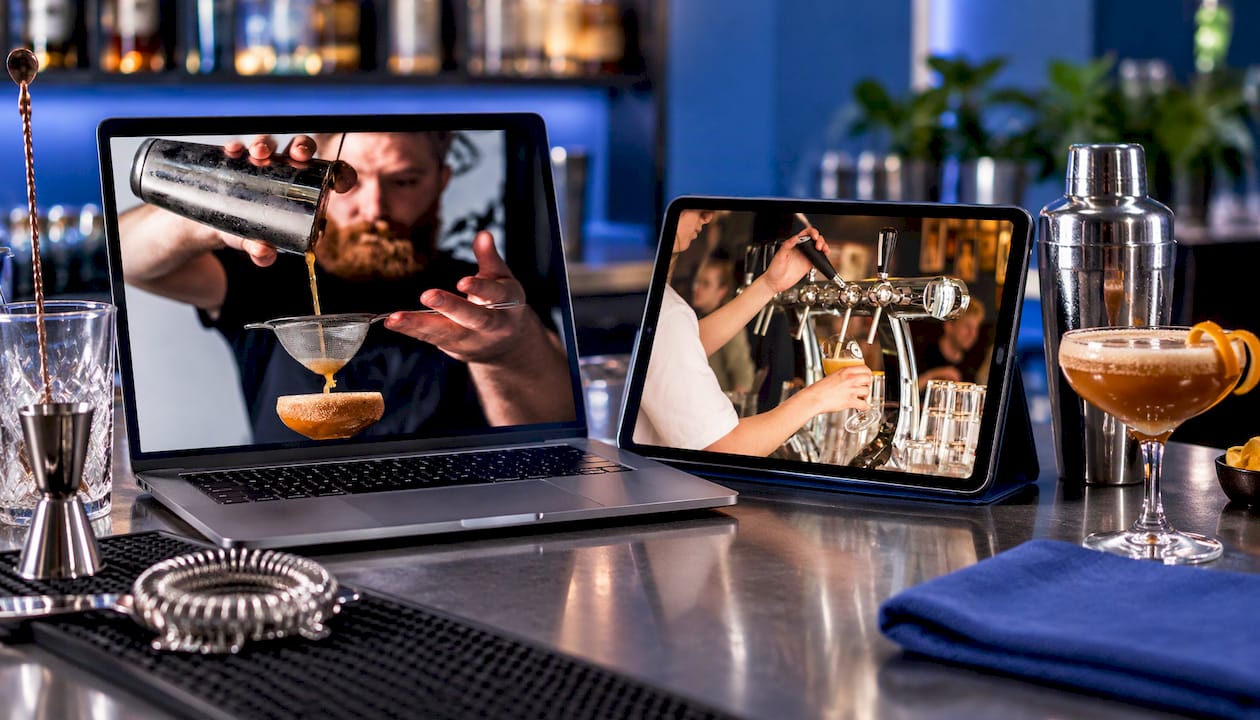
If you already know your state, the fastest way forward is to take a course built for it. ABC Server Training offers state-specific alcohol server training that you complete online, at your own pace, from any device. Browse the full list in our shop, or start with the California Responsible Beverage Server course if you are working in California.
Managing a team? Our group and corporate training helps you keep every server current. We also offer food handler permits and workplace safety courses, which many hospitality jobs ask for alongside an alcohol certificate. See the Food Handler’s Permit for details.
For employers: keeping your staff compliant
If you run a bar or restaurant, the licensing question becomes a scheduling question. Deadlines start at the hire date, and they can be short: 60 days in Washington and California, 120 days in Indiana for permit holders. A simple system avoids trouble:
- Ask every new hire for their certificate or permit on day one.
- Record the expiration date and set a reminder well before it.
- Enroll new staff in the right state course before their first shift.
- Keep copies of certificates in one place, ready for an inspection.
Texas shows why this is worth the effort. TABC notes that certification may protect employers from certain liabilities under the Alcoholic Beverage Code, which is why many retailers only hire certified staff. Certified teams also tend to handle ID checks and refusals with more confidence, because the training gives them the words and the steps.
Common mistakes to avoid
- Taking a course for the wrong state. Training is state-specific. Pick the state where you will work.
- Stopping after the course. In California, registration and the state exam are separate steps from the course.
- Missing the deadline. The clock usually starts at your hire date.
- Letting a permit lapse. Washington permits are not renewable, so you must retake the course.
- Assuming a bartending school certificate counts as a permit. It is a different credential unless your state says otherwise.
FAQ
Is a bartending license the same as bartender certification?
Not always. A license or permit generally reflects a government requirement, while a private certificate documents that you finished a training program. Some states use “certification” for credentials the government requires, so confirm with your state alcohol authority which one you need.
Can I get a bartending license online?
In many states, yes. Washington MAST training and Indiana server training both have online options, and most TABC-approved schools in Texas offer online coursework. Make sure the provider is approved by your state before you enroll.
How long does it take to get certified?
It depends on the state. TABC says Texas certification can be completed in about two hours, while Washington MAST courses must run at least three hours. Add time for any registration or exam steps your state requires, such as California’s portal and state exam.
How long is a bartending permit valid?
It varies. Washington MAST permits last five years and cannot be renewed, so you take a new course. Check your own state’s agency for its validity period and set a reminder before it ends.
Do I need a license to bartend if my state does not require one?
You may not need one by law, but employers often do. In Texas, for example, many retailers hire only certified staff. Getting certified makes you easier to hire and shows you are trained in responsible service.
Sources
- Bartending License vs. Bartending Certificate
- TABC Certification
- Get an Alcohol Server Permit, Washington State Liquor and Cannabis Board
- FAQs for Mandatory Alcohol Server Training (MAST)
- RBS Training Program, California Alcoholic Beverage Control
- Server Training Classes, Indiana Alcohol & Tobacco Commission